How the Content Wars are Snookering Sport Leagues
Time and time again sporting codes are willing to sign inflated rights deals and figure out how they can create the necessary value later. As a result they gamble fan affinity for guaranteed ad slots and gambling opportunities.
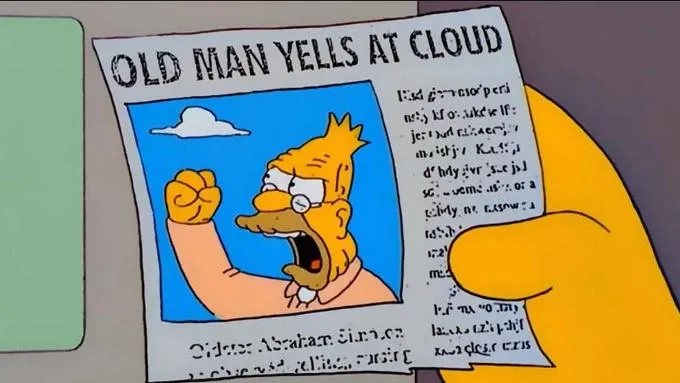
As someone who has an intense distaste for career politicians whose primary motivations seem to be:
- Get elected
- Keep powerful partners happy
- Get re-elected
- Get a job working for said powerful partners
It’s been really frustrating to observe a similar trend with sporting league administrators. While these people don’t have to deal with the cut-and-thrust of election cycles, their legacies are made in television rights cycles.
It seems there’s a similar pattern wherein sports league bosses are just as unwilling to invest in the long-term brand protection & scarcity in order to prioritise initiatives that will bear fruit in time for them to get credit and remain in their position. Oh, and of course also sign a bigger media rights deal in the next cycle.
We’ll take a look at two of my favourite sporting leagues to show where I’m coming from, but first let’s zoom out for a sec.
The bigger picture:
Sport has become one of the last, reliable audience generators for traditional media outlets such as radio and particularly TV. As such, traditional networks & tech giants across the world have justified hyper aggressive bids to remain relevant and in some cases, build their whole business around.
They can’t rely on linear television programs in the age of streaming and they can’t rely on news in the age of social media. Having exclusive rights to live sport is one of the last bastions of the old TV world that still holds eyeballs and is becoming increasingly expensive because of it.
Simultaneously, leagues have become increasingly addicted to the heroin of sponsorships - gambling.
While not new to Australia, the UK or Las Vegas, the US sports league’s eagerness to be in bed with gambling partners has led to an astronomical rise in the activity since more states have legalised it.
Meanwhile in Australia gambling developed from something that some people did, to one of the most profitable industries we have. Want proof? How about a 60% surge in the Australian men who bet on sports in less than a decade.
All this creates environments where leagues have no choice but to constantly search for new ways to generate content with which we punters can gamble on as well as concoct a larger volume of ad slots to satisfy under-pressure TV networks who need the ad space. The chicken comes home to roost after all, and these networks need to justify their inflated rights deals.
The danger of this, outside of the cultural & financial impacts from the gambling side in particular, is that sport loses its greatest asset: scarcity.
The NBA:
It’d be rare to come across a basketball player, fan or pundit who wants to keep the same 82 game format. From the massively increased rate of injuries due to the speed & athleticism required in the current form of the game, to widespread tanking for draft picks & subsequent resting of stars, it seems an obvious issue.
The regular season has never mattered less to players or fans, but the statistics on viewership have remained largely the same and the size of TV deals have never been larger.
As a result, the number of games has actually increased recently with the addition of a mid-season NBA Cup - so irrelevant I’ll give you $5 if you can actually remember the champions of the first 3 years without Googling - and also the Play In Tournament which extends the post-season by another 6 games.
ON TOP of this, the NBA is considering adding 2 new teams to the league for 10s of billions of dollars, and is doing all it can to address league issues like tanking & resting without decreasing the number of games.
Suggested & implemented band-aid fixes include threatening bigger punishments for clearly tanking teams, flattening draft lottery odds, introducing minimum game thresholds for player awards to stop resting, but a staunch backing of the 82 game format.
How does all of this marry up?
First of all, the NBA has taken the money for this rights cycle. It would be near-impossible to convince current partners to pay the same amount for less content, so let’s acknowledge that.
But the way the NBA talks, or doesn’t, about the issues that are staring it in the face seems to be missing the point by the length of Wemby’s wingspan. I feel like I’m taking crazy pills. Obviously raising the minimum number of games to qualify for player awards won’t help when players are getting genuinely injured due to the intensity of the sport, which is the consensus for everyone involved. Even LeBron James says so and he’s played in the league for 23 years.
According to research, the number of games that stars miss per season has more than doubled since the 90s, jumping from 10.6 to 23.9 in the 20s. This isn’t just because of sport science dictating players rest more, the game is genuinely harder on the body.
And why doesn’t the NBA care? Viewership still looks great. Or does it?
The way new fans engage with the NBA is completely different. Commissioner Adam Silver admitted last year that it’s now a “highlights based sport” - which then helps to explain some of the decisions (or non decisions) around addressing the watchability and genuine engagement with the league.
Why eliminate games when they present more opportunities to generate social media clips? Why address the excruciating end of game reviews & long 4th quarter times when the goal isn’t just being entertaining for fans, it’s also getting every micro-call right because millions of gamblers have millions riding on every statistic, possession and outcome? Not to mention the additional ad slots at the most important & watched time of the game to give to advertisers.
The NBA is set to repeat its mistakes, burying its head in the sand as long as the money from TV & streaming partners still set records. The players, and more importantly the franchise owners, are happy with the cash and are similarly disincentivised to care about the long term health of the sport.
That’s the thing with bubbles though - money flows but the actual product becomes less watchable. If the NBA continues to disenfranchise true fan engagement in favour of monetising more for the players & team owners they’ll continue to weaken emotional ties and the importance of the games themselves. They’ll be dumbing it down to be another content machine whose highlights appear on your feed between AI slop, Giannis trade rumours & memes. Also viral Drake bets.
The AFL:
I can’t remember many topics that have unified AFL fans like this. Before I continue I have to admit my Victorian Bias, but I think even my central & Western Australian state brethren are even more up in arms about this.
The AFL and sympathetic pundits have insisted this is to promote the game in the football battleground northern states. At least, the AFL likes to think they’re in a battle here. But I think there is an equally obvious but less talked about reason - more content & value for TV & gambling partners.
Channel 7’s deal allows them to broadcast 3-5 games per round, so starting with the regular, complete 9 game round doesn’t impact how many games they’re able to broadcast. It’s also probably safe to assume most fans don’t watch more than 4-5 games on the TV over a weekend.
So in practice, Opening Round creates more TV games, which creates more content, lucrative ad slots, gambling opportunities, and the rest.
But what does this ignore? Fans who actually want to watch their team play every weekend. Not wait 21 days between games (hello Hawthorn fans). Not to mention it makes explaining the ladder to casual fans way more annoying than it needs to be. Also SuperCoach. I guess that’s less important though.
Let’s take another step back.
With the content wars already warming up since the last round of media rights deals, Fox Sports - one half of the NRL & AFL’s TV partnerships - was bought out by the international giant DAZN.
This seemed to put the fast-forward button - is that even a thing anymore? - on the battle for eyeballs & demonstration of value, particularly for their new international overlords.
Anyway, totally unrelated, but this seems like a great time to introduce a wildcard round (lowering the bar for an Essendon doubt breaker and risking the health of this precious website), an Opening Round, a potential round 24 nobody asked for & 3 subsequent early-season bye rounds, and even a brand new team with a stadium we don’t have to pay for, Tasmania!!!
- Sincerely, the AFL
Tasmania aside, these initiatives come across as things only vested interests are outwardly praising. Sounds familiar doesn’t it? Keep partners happy, stay in your roles, sign the next deal.
Okay, I hear some of you internet-yelling at me - breathing heavily out of your nostrils in dismay while reading this on the can - “I’ll give you Opening Round, but Wild Card round is fun and keeps more teams alive for longer, and how else can we insert Nick Daicos into every discussion if we didn’t have Tassie?”.
Fair. I guess.
“And what are you proposing, we let the younger generation get taken away by TikTok and Netflix and our sports will die and I’ll have no excuse to go to the pub with my friends and my bet-with-mates account will perish and my only reason for socialising and vehicle for small talk at work will disappear?”
Okay take a breath, this is the lie I think we’re being fed. Does anyone ACTUALLY think people who are interested, or potentially interested, in the AFL would get so addicted to other forms of media that they would stop watching if we didn’t add new teams, new games, or new rounds? Do you actually think adding more games increases fan affinity?
If that was the case, why wouldn’t we just add 2 extra State of Origin NRL games?! Why don’t we have a 7 game grand final series like the NBA? Why don’t we make the Ashes every year and the Football World Cup every 2nd year? Volume of content = happier fans, right? No.
If every game meant more and every fan could engage with their team every week, does that not create routine & momentum that attracts new fans? Predictable schedules, unpredictable outcomes, that has to be the model.
How else would the UFC, alongside the examples above, have become a modern day sporting giant if it hadn’t ridden a wave of scarcity and event building? Why do we love State of Origin, even as Victorians? It comes down to one word - scarcity.
I would argue that if leagues were willing to take short term financial hits, particularly in the US where players & administrators are making more money than they know what to do with, and actually think about how to preserve and create meaningful games with less content they would be in better long-term shape. And fans would genuinely care more.
Yes, there would be pay cuts. Yes, owners would kick up a stink. But neither of these entities are likely involved in 15-20 years so of course they will. Fans will, or should be, still caring in 15-20 years and the business of modern sport isn’t nurturing them.
It feels like the AFL is fast approaching this trajectory.
The worry I have is that we conflate viewership with loyalty. A 15 second clip of a big dunk is not watching the whole game, even if I watch 10 of them. A reaction video to a wild sports opinion is also not the same as deeply caring about my team’s result on the weekend. Similarly, losing or winning a multi does not foster emotional connection to the outcome of a game.
These leagues are conflating TikTok style content & bite sized grabs from whatever people are engaging with at a given time with true engagement with a sport. More content does not mean more affinity. More money spent on gambling doesn't create actual relationships with the sport.
With all this in mind, I'm essentially hearing this speech from The Other Guys ring in my ears when I read the AFL are expected to announce an additional round to facilitate an additional team from 2028.
So what?
As fans we’ll keep watching all of this extra content you throw at us until we don’t. Attendance numbers will continue to be strong, revenue will grow, business will be good. But true fandom & emotional affinity is being slowly eroded, with attendance and profit always being the trump card used by the leagues any time their loyalty to fans is questioned.
Leagues time and time again seem willing to sign these inflated rights deals and figure out how they can create the necessary value later. As a result they gamble fan affinity for guaranteed micro views and gambling opportunities, as well as additional content and larger partnerships. My fear is that sport’s importance slowly reduces to being a platform with which you gamble on, particularly for men, and the actual watching and enjoyment of the sport always has to have an extra weight of a bet to help you care. I’ve certainly experienced and observed this in myself and my friends at times.
My question is could the growth in sporting profits be occurring despite a lot of these decisions being made? Are the numbers being juiced by people looking for anything real, unpredictable, unrehearsed and unstaged in our increasingly artificial society? That’s the beauty of sport and why I believe it resonates so much in an increasingly synthetic world.
If so, maybe these sporting codes who think that they’re cutting with the grain by focusing on the business of high-octane entertainment and volume of content are slowly losing that scarcity and rawness people are craving in the first place. We’re losing the essence of sport itself if we're trying to compete with YouTube or Netflix for fear of losing a content war.
The numbers will say I’m wrong in the next few years, but numbers can’t measure a fan’s level of emotional connection to their team and to a sport. That’s unseen, unmeasurable and seemingly under appreciated.
In the meantime I’ll see you in the comment section of another player’s IG post where they’re getting abused for losing someone their multi.
If you liked this, subscribe below and I'll send the next one straight to you.